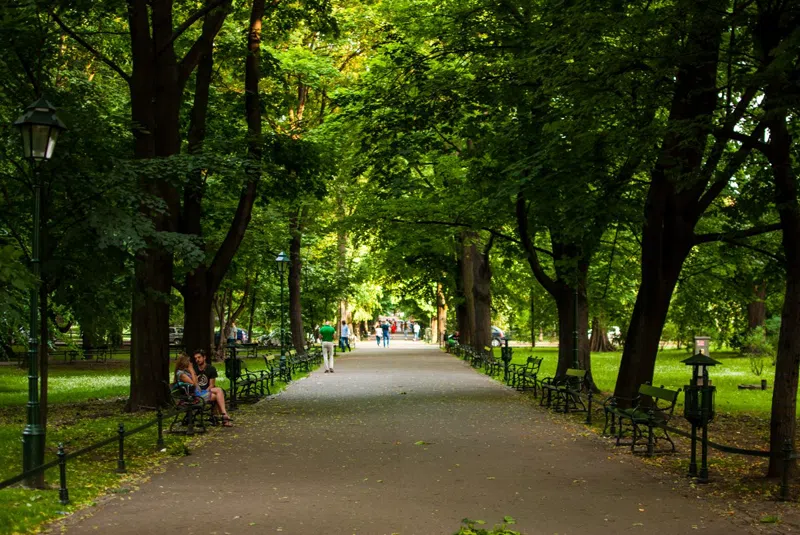

Chapultepec does not announce its age. Joggers loop the reservoir at dawn, families queue for boats on a lake that sits over Aztec-era waterworks, and none of it reads like a monument — until you notice the carved water channels underfoot, cut into volcanic rock five centuries before anyone thought to build a castle on the hill above them. This is Mexico City's largest park and one of its oldest continuously used sites, and walking it end to end means walking through every layer of the city's history at once.
Ground Older Than the Castle
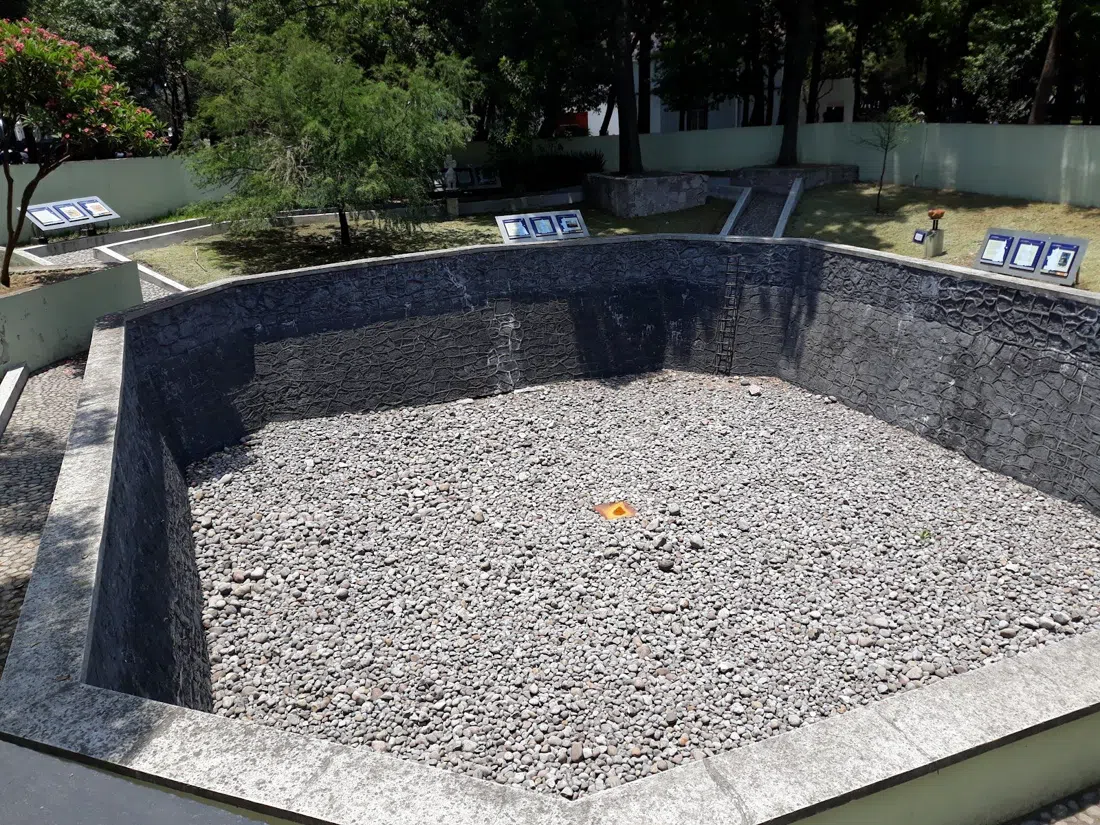
Baños de Moctezuma (First Section), reinaugurated after restoration a few years ago, is the site most visitors walk straight past on their way to the museums. It's an open-air cluster of stone basins and channels fed by the springs that made this hill valuable long before the Mexica arrived — a working water system that predates the Castillo above it by roughly five centuries. There's no ticket booth and no guide required: a low fence, a few interpretive panels, and the quiet fact that you're standing on the oldest infrastructure in the park. It's easy to fold into either the walk up to the castle from the Metro Chapultepec side or a loop back down afterward, and because there's nothing to buy or queue for, it never gets genuinely crowded even on a Sunday.
The Museum That Explains Everything Else
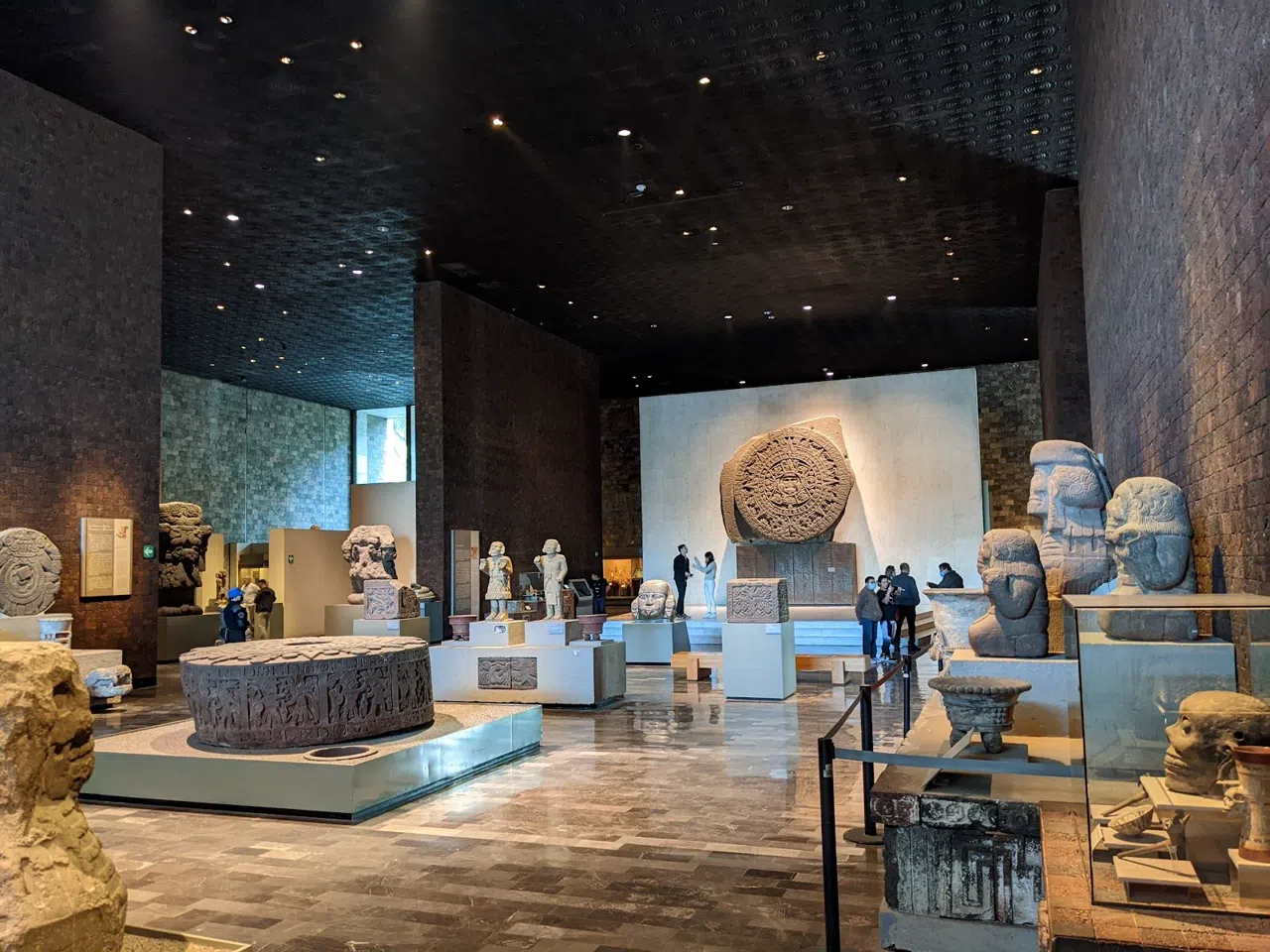
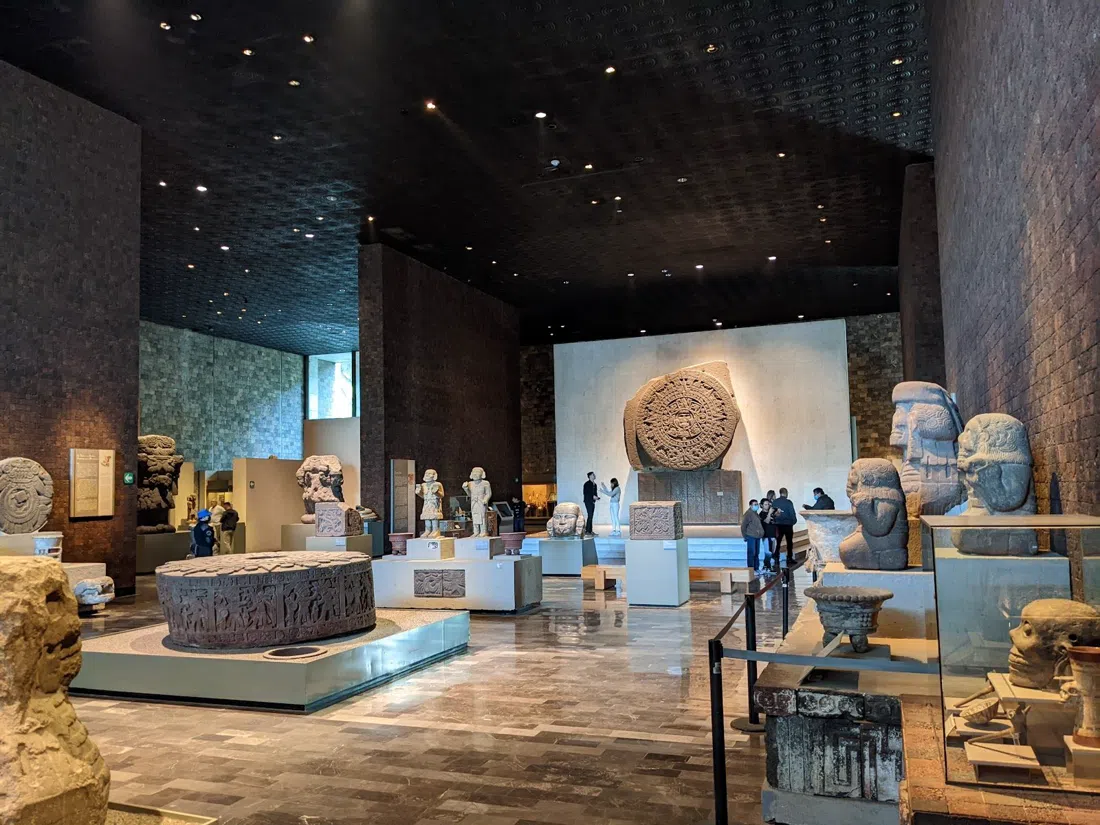
Any conversation about Chapultepec's ancient layers runs through the Museo Nacional de Antropología (First Section, facing Paseo de la Reforma), and it earns the centrality. This is the single best collection of Mexica and Maya material culture anywhere, arranged hall by hall by civilization — the Aztec Sun Stone gets a room of its own — and it rewards a half-day rather than a rushed hour. Admission is $210 MXN for foreign visitors; Mexican residents go free on Sundays, which also means Sundays are the museum's busiest day by a wide margin. Large groups and school tours move through easily, but a guided group visit should be booked ahead through INAH rather than arranged at the door. The museum's two floors — ethnography upstairs, archaeology below — mean the crowds thin out considerably away from the ground-floor showpiece halls; couples or solo visitors with a full afternoon can outlast the tour groups by simply working backward from the Maya rooms toward the entrance. If Chapultepec has one non-negotiable stop, this is it.
A Castle Built by Five Different Mexicos
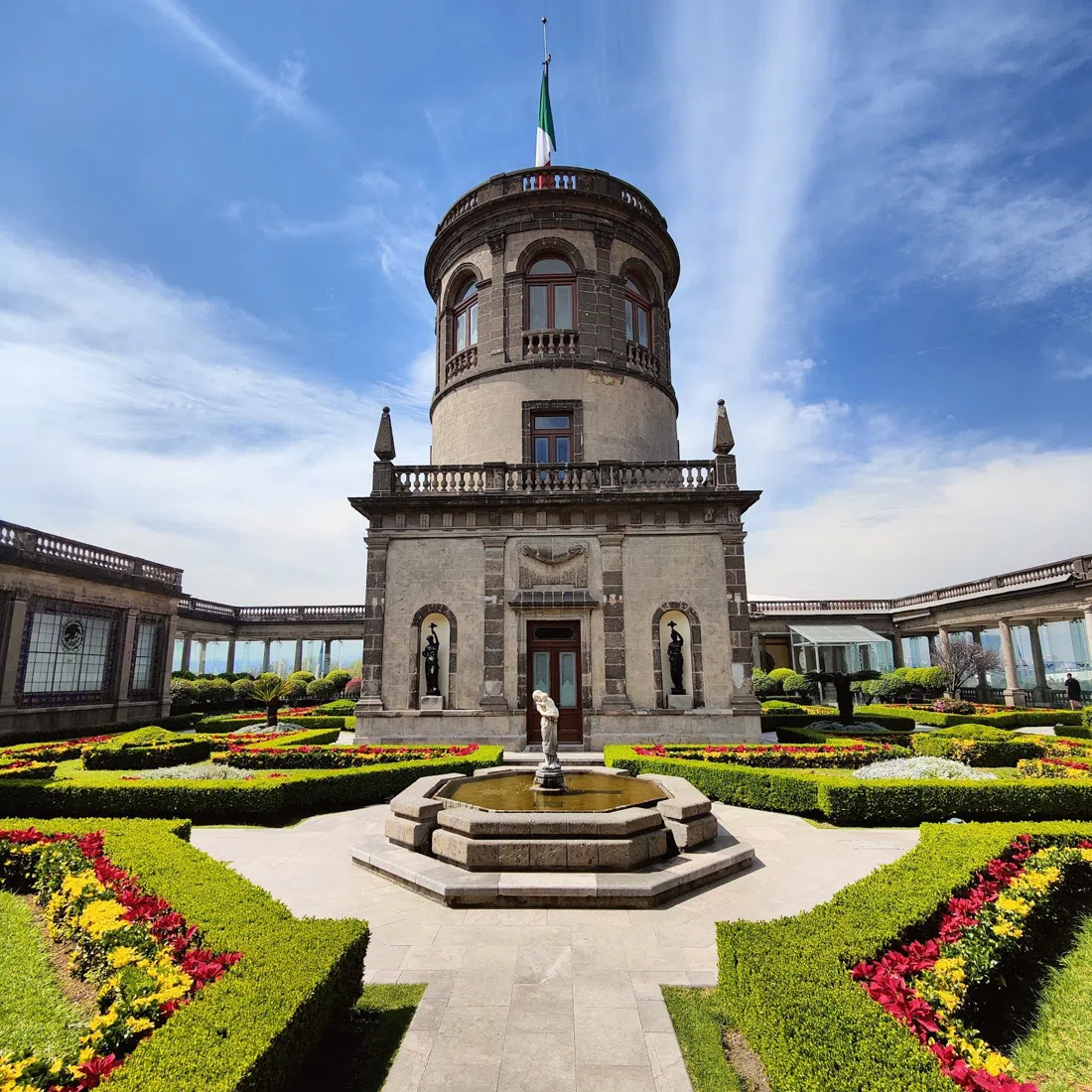
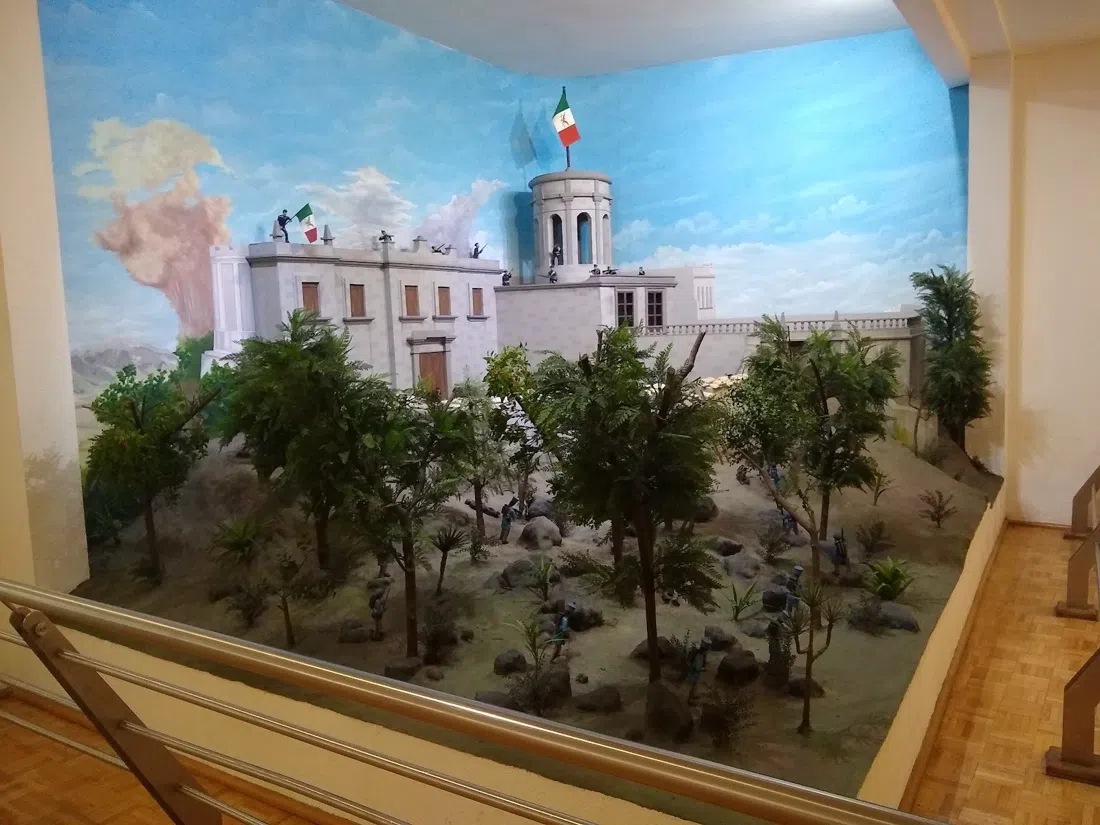
Castillo de Chapultepec, home to the Museo Nacional de Historia (First Section, the hilltop itself), is the only hilltop castle in North America, and its interest isn't the view — genuinely fine as that is — but the fact that no single era owns the building. It began as an Aztec lookout point, became a viceregal retreat, was rebuilt as Emperor Maximilian and Empress Carlota's imperial palace in the 1860s, and later served as the official residence of Mexican presidents through the Porfiriato. Walking the rooms means walking from pre-conquest strategy to European court taste to early-20th-century republican power, stacked floor on floor. Tickets run $210 MXN for foreign visitors, free for residents on Sundays, and weekend queues for timed entry build fast — groups larger than about ten should pre-book online rather than risk the line. The climb itself is short but has no shade for most of it, so a midweek morning start beats an afternoon one, especially with children or larger groups in tow.
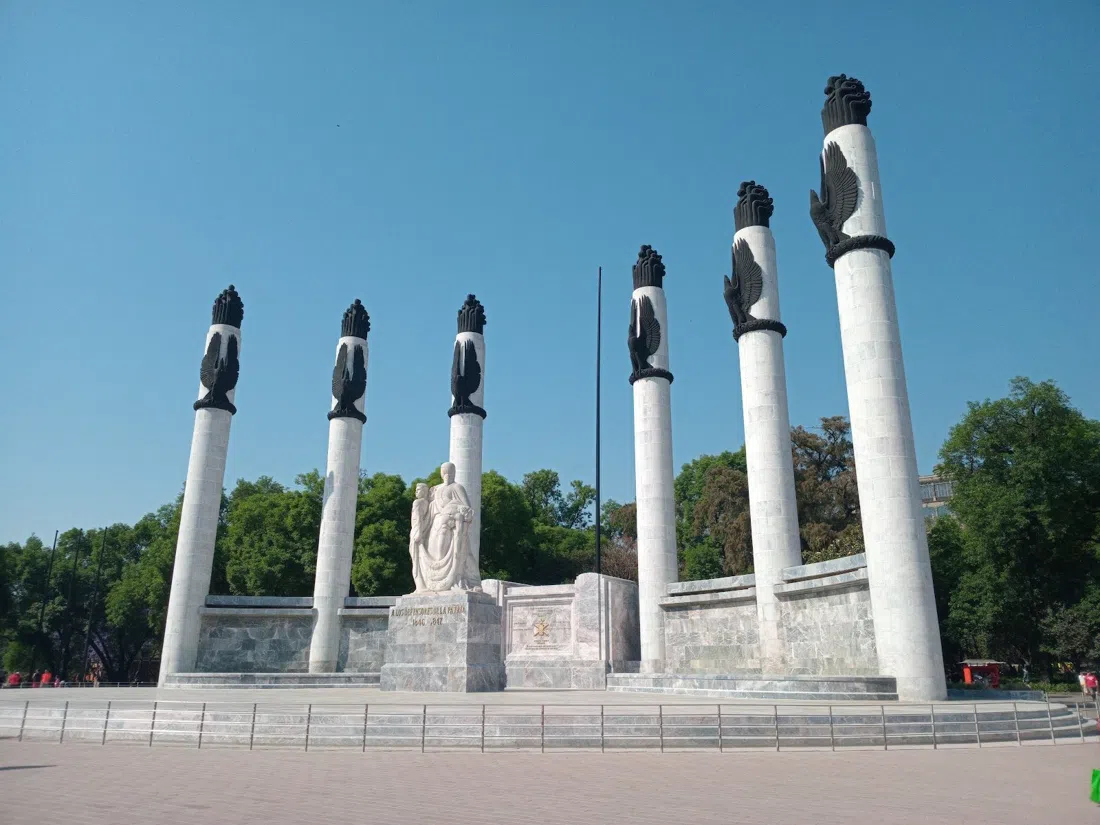
Two smaller stops sit right around it and are easy to fold into the same visit. Altar a la Patria, the Monumento a los Niños Héroes at the base of the hill, is a free, unticketed plaza that takes a group of any size, and it's worth pausing at rather than photographing on the walk past — the 1847 battle for the hill it commemorates is the hinge between the site's Aztec and modern-nation layers, the point where Chapultepec stops being purely ancient and becomes part of the national story. And a short walk from the castle entrance, the Museo del Caracol (Galería de Historia) is the corner almost everyone skips: a small, purpose-built architectural gem tracing Mexico's path to independence and constitution, worth the ten-minute detour precisely because so few visitors bother. Admission is $100 MXN, free for residents on Sundays; the building is genuinely small, so groups over about fifteen should split into staggered entry times rather than arrive as one block. None of these three stops requires more than the Castillo's own admission logic — the Altar is free-standing and outside any perimeter, so it works equally well as a stand-alone five-minute stop for anyone short on time.
Art on the Same Hill
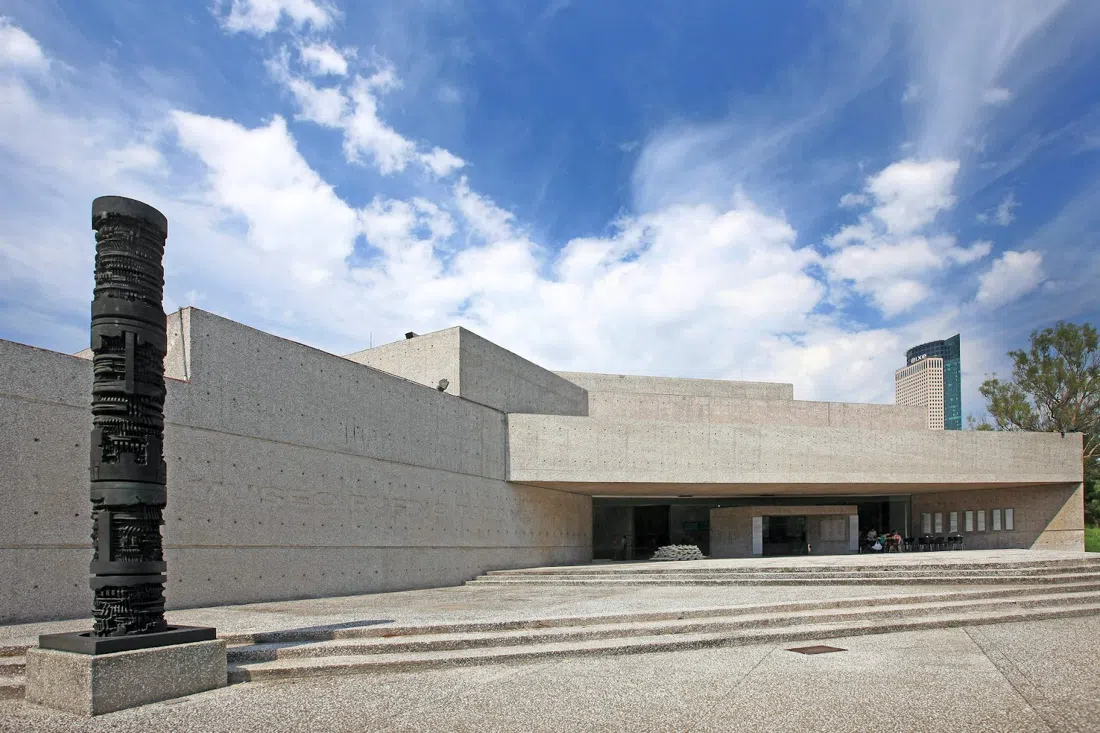
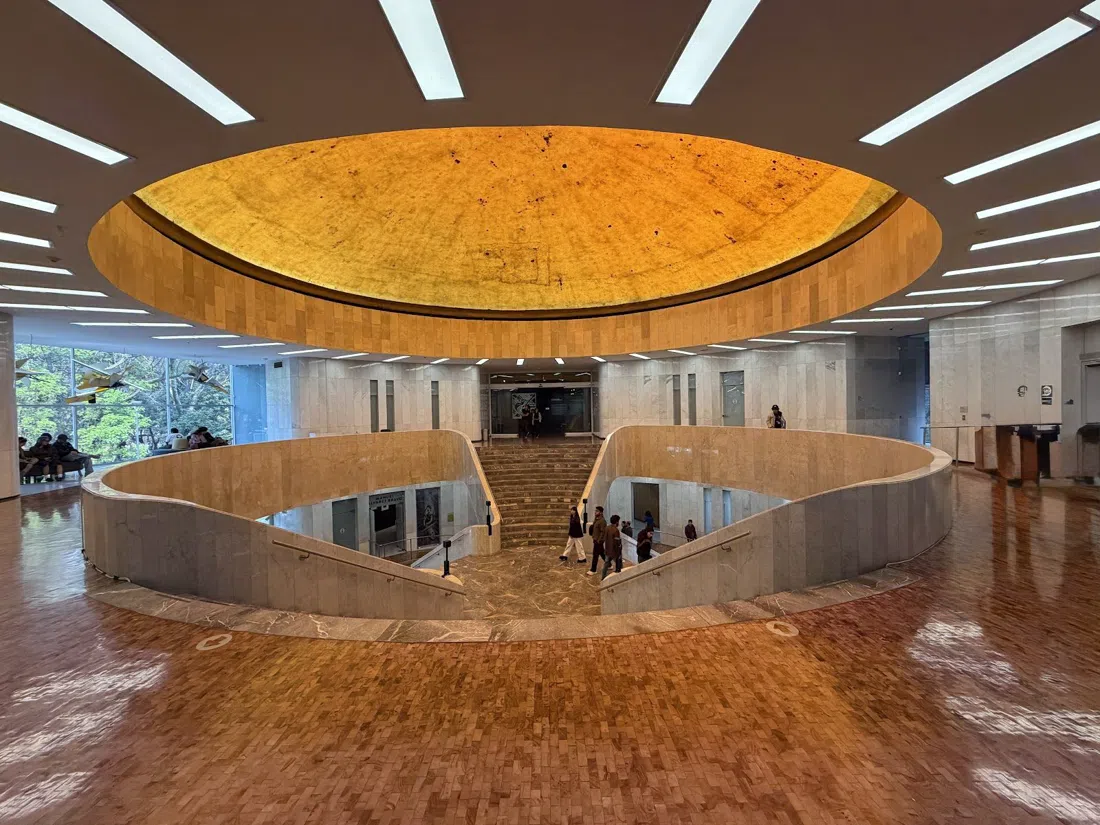
Two museums a short walk apart cover the park's 20th-century counterweight to all that ancient and colonial layering. The Museo de Arte Moderno (First Section) holds Kahlo, Rivera, Tamayo, and Orozco under one roof — a compact, well-lit survey of the muralist generation and what came after it, and one of the more manageable major museums in the city if time is short. Guided group visits need advance notice, but the galleries themselves handle casual groups without friction. Around the corner, the Museo Tamayo runs a genuinely current program — its 2026 slate is contemporary exhibitions rather than a static permanent hang, so it's worth checking what's actually on before assuming you know the collection. Both charge $95 MXN, both are free for residents on Sundays, and both close on Mondays, standard for museums across the park. The two sit close enough — a five-minute walk along the same tree-lined path — that a single afternoon covers both without feeling rushed, provided you're not trying to also fit in the castle the same day.
Corners Worth Finding on Purpose
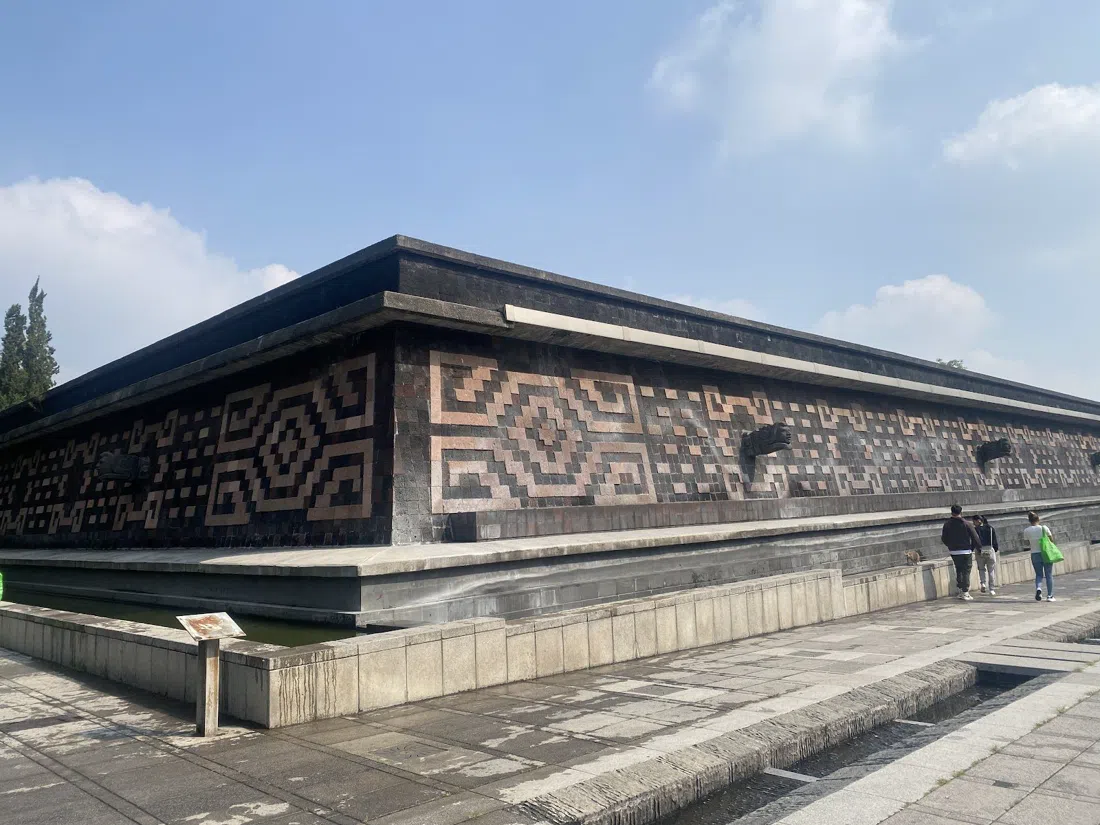
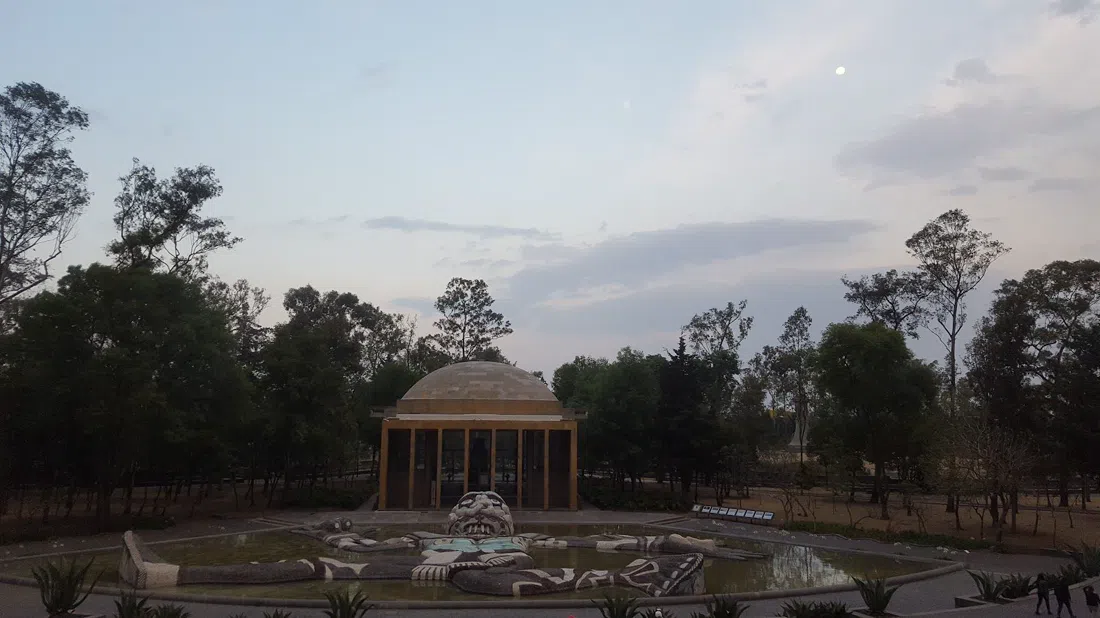
The park's Second Section, west of the main museum cluster, holds the two stops that reward deliberate detour rather than casual wandering. Cárcamo de Dolores (Museo Jardín del Agua) reopened after restoration and remains obscure even to residents who've lived in the city for years — a small interior chamber built around Diego Rivera's mural on the source of water, with the grounds outside handling any size group even though the interior itself needs splitting for parties over fifteen or so. Admission is $34 MXN. A short walk further, the Fuente de Xochipilli is a quiet, open-air fountain built around Aztec motifs — not an archaeological site itself, but a visual echo of the park's older layers, free to visit, and rarely crowded because it isn't signposted the way the marquee sites are. Together they make the best case in the park for slowing down: neither appears on the standard half-day itinerary that most guided tours run, which is exactly why they're worth building in deliberately rather than hoping to stumble onto them.
The Green Lung Itself
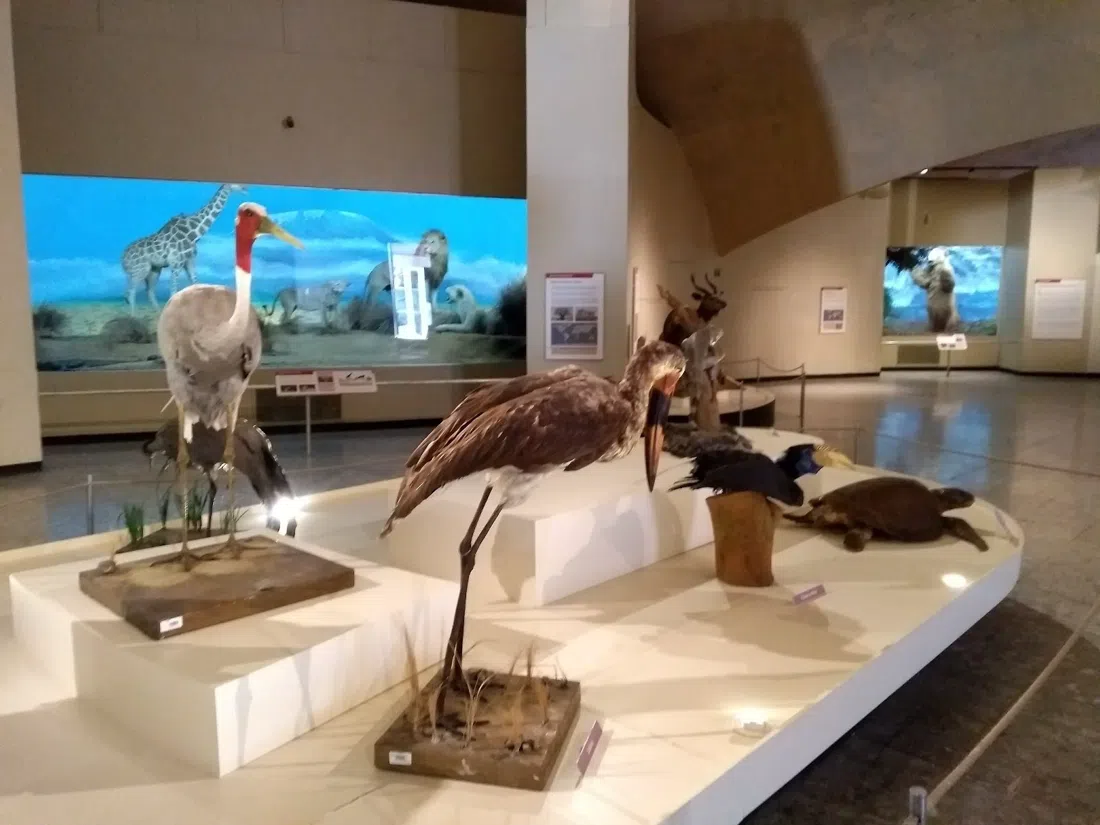
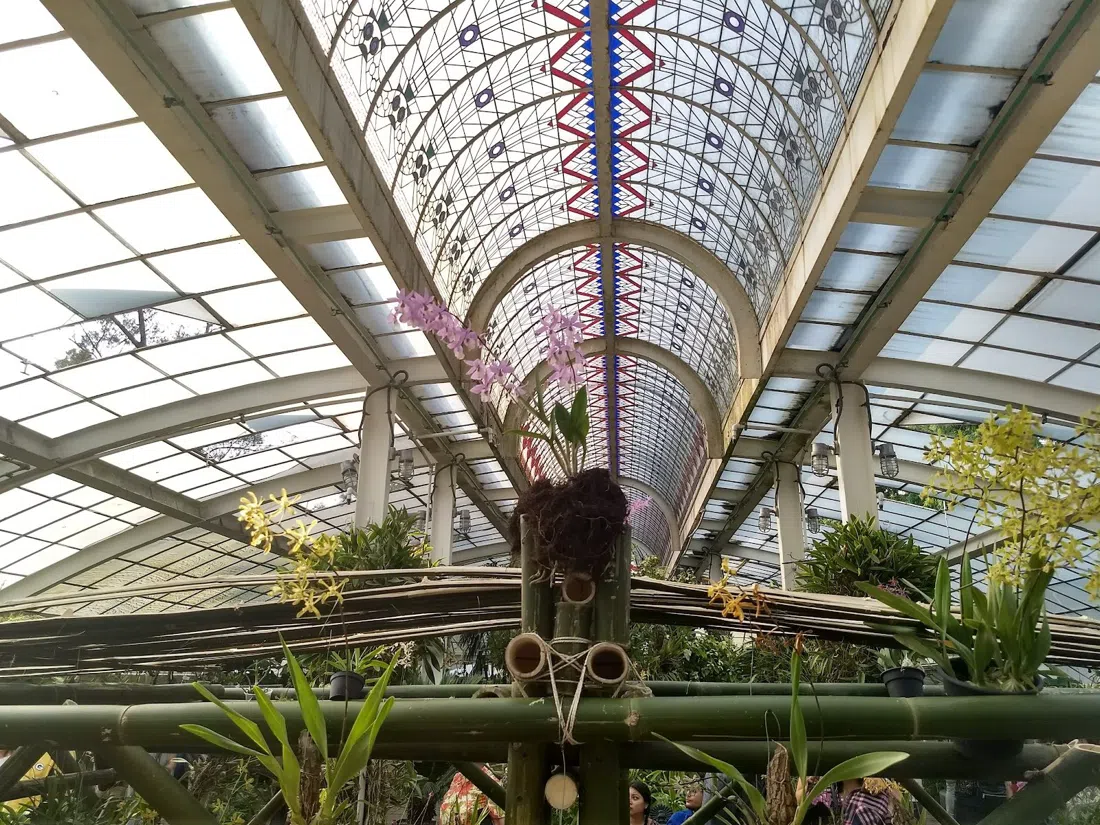
Chapultepec's claim to being Mexico City's lung isn't metaphorical — it's the largest block of urban tree cover in a metropolis of over twenty million people, and the Jardín Botánico de Chapultepec (Second Section) is where that fact gets explained rather than just felt. Guided tours run Tuesday to Sunday, 10am to 1pm, and are genuinely worth timing a visit around: some of the ahuehuetes (Montezuma cypresses) on the grounds predate the Aztec city itself, living witnesses to a landscape that existed before the lake was drained and the valley was paved. Entry is free. Nearby, the Museo de Historia Natural y Cultura Ambiental grounds that same green-lung framing in hard science rather than scenery — an underused stop that school and family groups pass through easily without special booking, at a modest admission that's worth checking on-site since it varies. Both sit far enough from the First Section's crowds that a visit here often feels like a different park entirely — worth the extra ten minutes' walk for anyone who wants Chapultepec's quieter register.
Where the Park Turns Into a Playground
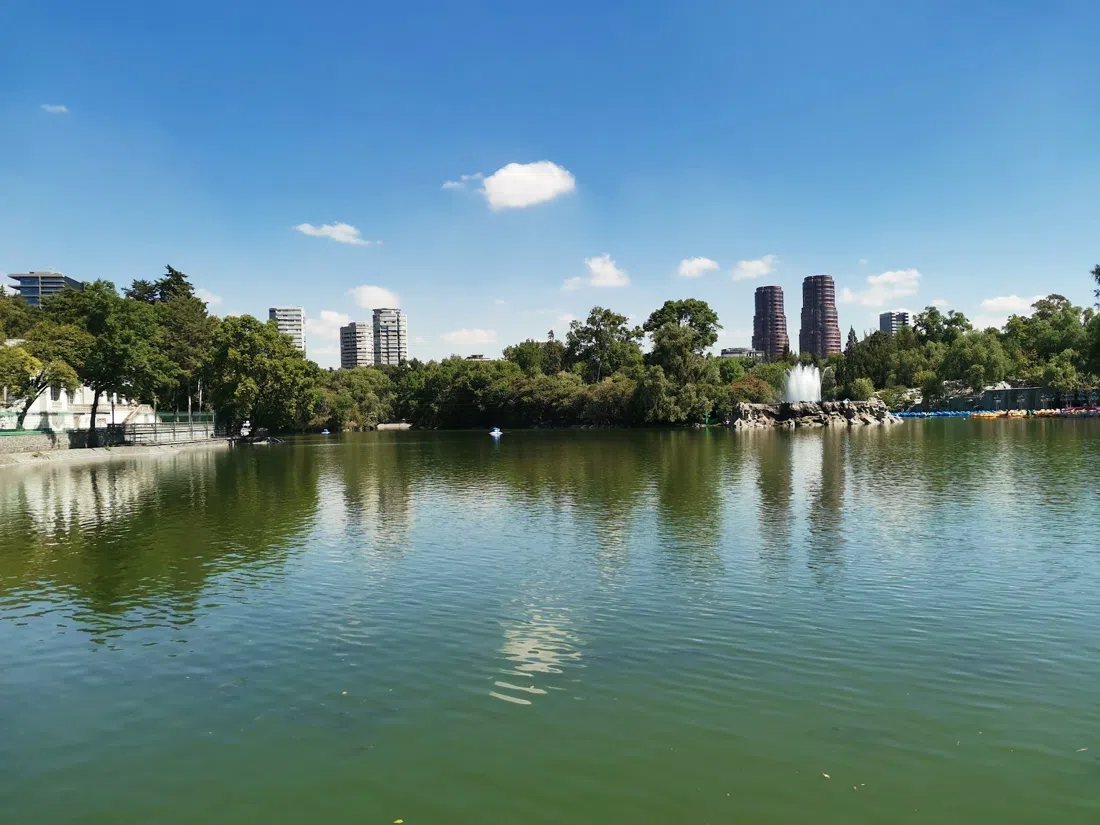
By the time you reach the lake, Chapultepec has shifted register entirely — from historical site to Sunday ritual. Lago de Chapultepec rents lanchas (rowboats and pedal boats) for $85–175 MXN depending on the boat, and it's a genuinely classic chilango weekend activity: individual and family bookings are simple, and larger parties just queue for multiple boats rather than booking as a block. It's easy to miss that the lake itself sits over old Aztec waterworks — the same water-engineering thread that runs from the Baños de Moctezuma through the Cárcamo de Dolores resurfaces here, just dressed as a rowing pond.
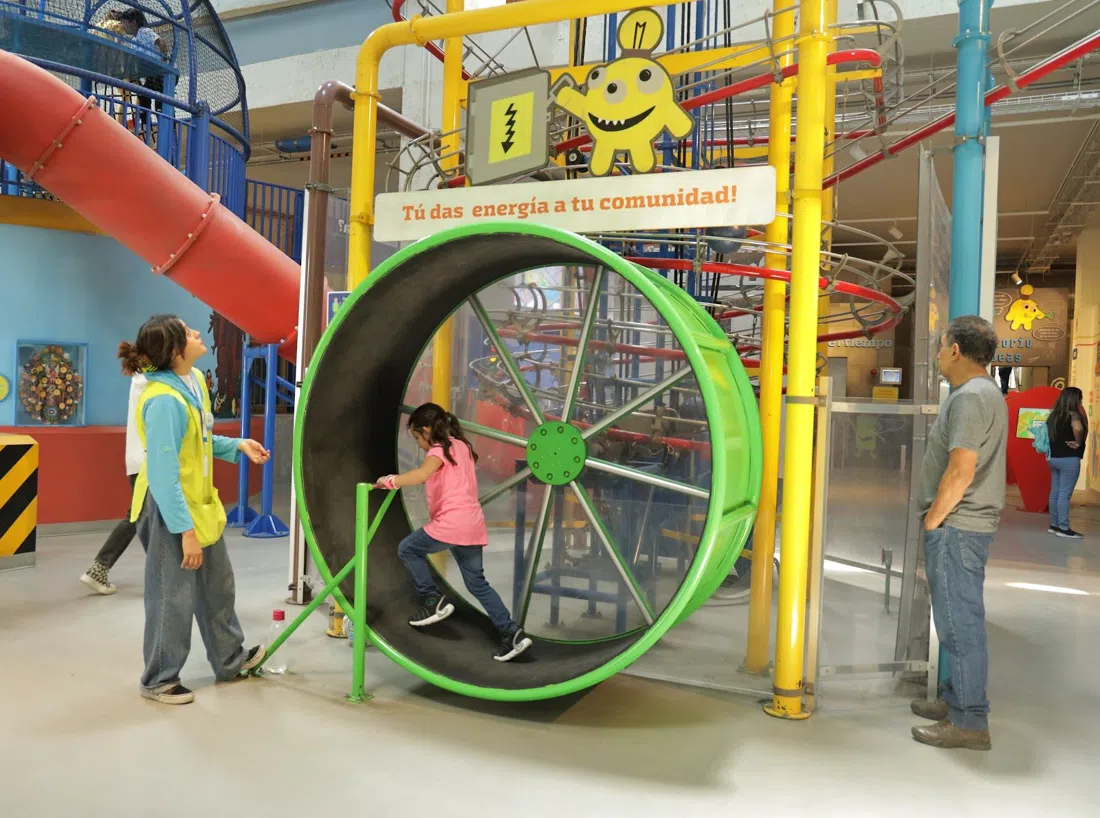
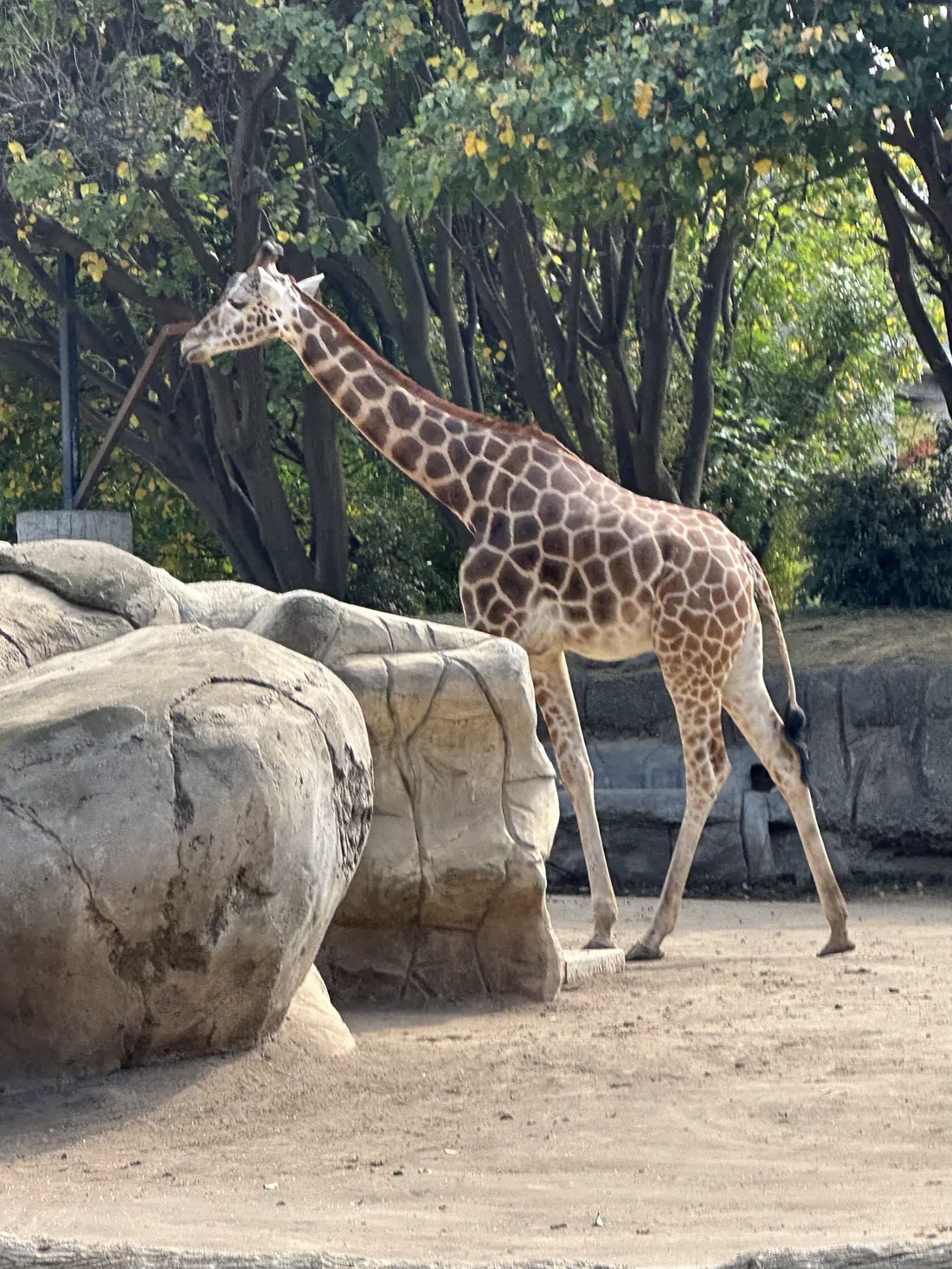
The Zoológico de Chapultepec (First Section) is one of the few major zoos in the world with free entry, no booking required, and it handles large family and school groups without friction — which also means weekends are genuinely packed, and a weekday morning is the better call if crowds aren't the point. Inside, the layout is walkable rather than sprawling, and the pandas remain the draw that pulls the longest queues, so timing an early arrival matters more here than at almost any other stop in the park. Further into the Second Section, Papalote Museo del Niño is the clearest modern bookend to the park's ancient sites: a purpose-built children's museum with dedicated rates for school and family groups over fifteen, running roughly $189–235 MXN, and distinctive enough architecturally that it's worth a look even without kids in tow.
The Newest Layer of All
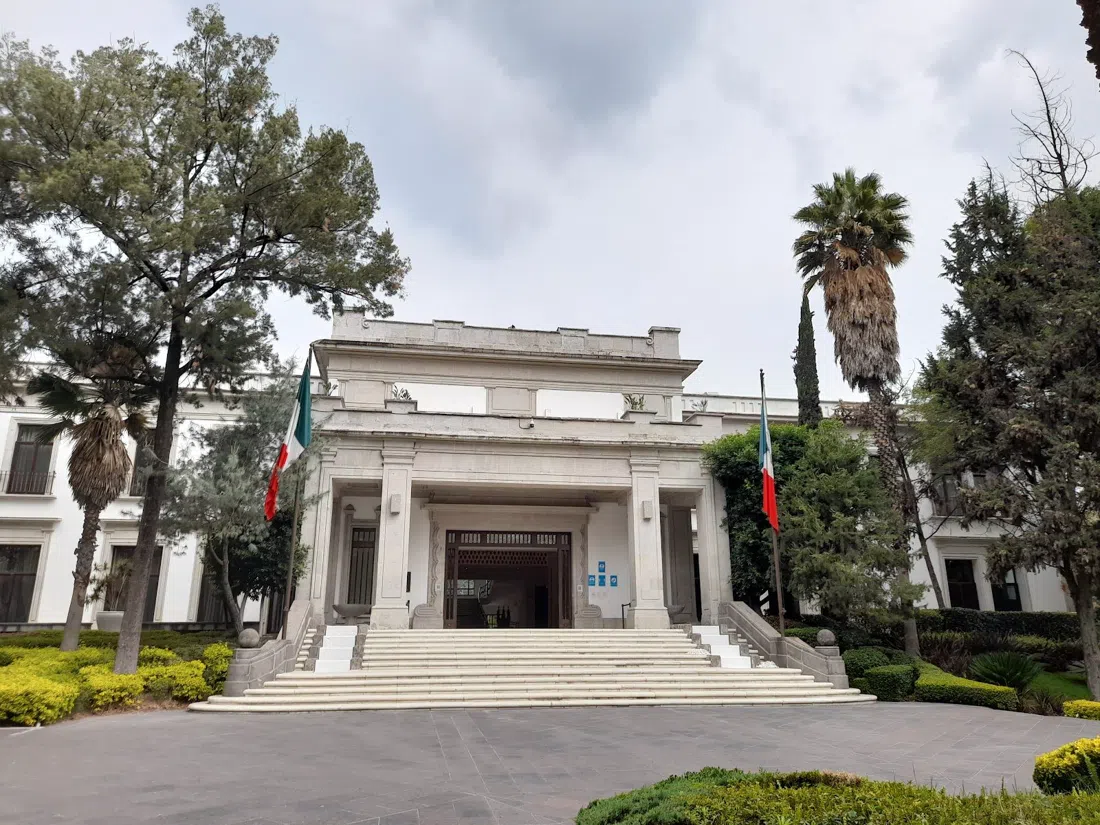
The most recent addition to Chapultepec's timeline isn't ancient at all. Complejo Cultural Los Pinos, the presidential residence from the 1930s until 2018, was opened to the public by the incoming administration and now runs free guided tours — Tuesday to Friday at 1pm, weekends at noon and 2pm, with groups genuinely welcome. Because entry is free and tour slots run on a fixed daily schedule, it's worth checking the current times before setting out rather than assuming a walk-up will line up with the next tour. Walking through what was, for eighty years, the most secure and private address in the country, now with no ticket and no velvet rope, is a sharp modern counterpoint to the Aztec lookout and the Porfirian palace up the hill. It's the newest stratum in a park that otherwise measures its history in centuries, and it completes the arc the whole park is quietly making: refuge, seat of empire, seat of the republic, and now, finally, public ground.
Planning the Visit
Chapultepec spans three sections, and the First Section alone — the castle, the anthropology museum, the zoo, the lake — is a full day on its own; trying to cover all three sections in one visit usually means seeing none of them properly. The Metro stops Chapultepec and Auditorio (Line 1) serve the First Section directly; the Second and Third Sections are a longer walk or a short taxi or rideshare hop from there. Most museums, including the Castillo and the Anthropology Museum, close on Mondays — check before building a schedule around one. Sundays bring free entry for Mexican residents at nearly every ticketed site, which is good for the wallet and bad for the crowds; if the goal is to actually see the Sun Stone rather than the back of someone's head, a Tuesday or Wednesday morning beats a Sunday every time.
Carry small cash. Several of the smaller sites — the Cárcamo de Dolores, the boat rentals on the lake — run cash-only or cash-preferred, and there's no guarantee of a card reader at every ticket window. A realistic day covering the First Section's highlights (castle, anthropology museum, one art museum, a walk to the lake) runs somewhere around $500–700 MXN per person once you count tickets, a boat ride, and snacks from the park vendors — modest by the standards of a major world capital. For where to base yourself while covering the park properly, the Mexico City hotel search covers options near Polanco and Condesa, both a short ride from the park gates; for the rest of the city beyond Chapultepec, the Mexico City guide is the place to start.