
Long before Mexico City had a cocktail scene, it had cantinas — narrow, marble-topped rooms where a beer or a shot of tequila still arrives with a plate of something salted and free, no questions asked. A handful of the originals, some pouring since before the Mexican Revolution, are still standing in the Centro Histórico and its edges, doors open, dominoes clacking, waiters moving fast between tables. This is the hour to go find them.
The cantina is a specific kind of room, not just an old bar. Historically these were male-only, cash-only, working-men's spaces attached to a corner grocery or hardware store; most have long since opened their doors to everyone, but the bones remain — long bars, hard chairs, a kitchen that exists mainly to keep the free botanas coming. What follows is grouped by what actually matters when you're planning a night: which rooms are the true elders, which are the polished showpieces, which are built to absorb a group of ten, and which are the quieter neighborhood rooms best kept to two or three people.
The Oldest Rooms in Town
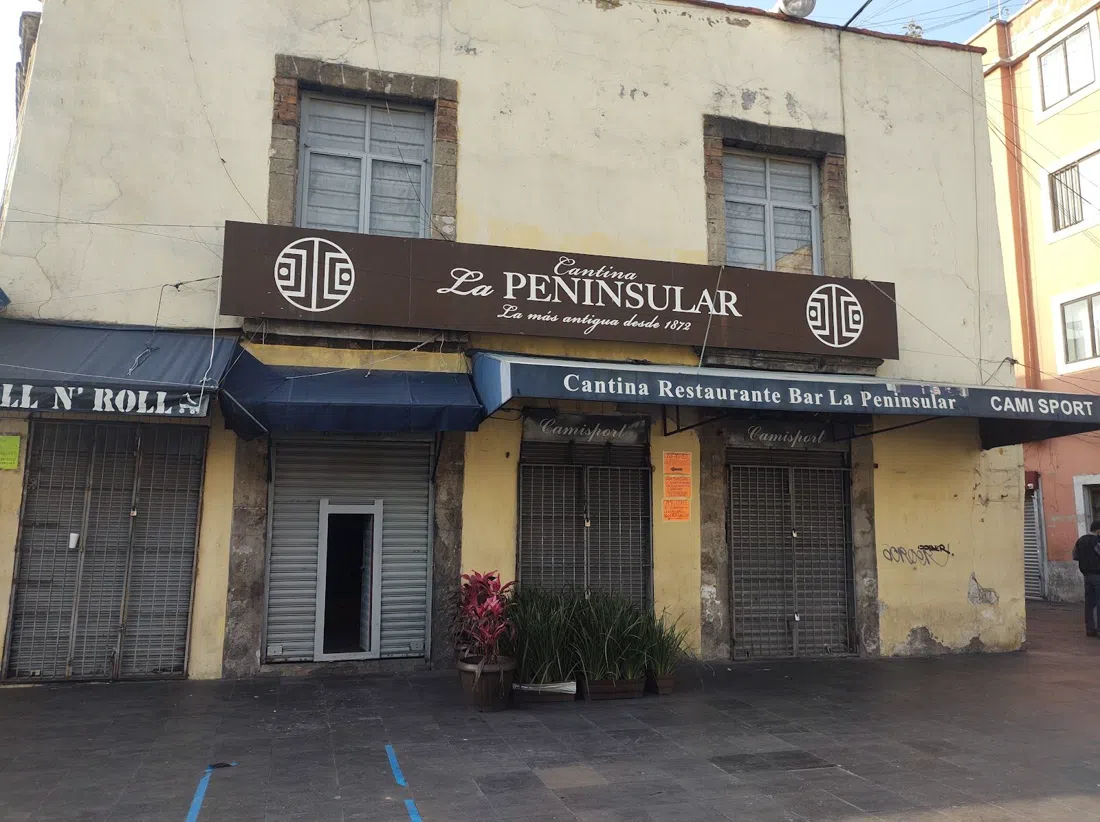
Cantina La Peninsular (Centro Histórico) opened in 1872 and is generally regarded as the oldest cantina still operating in the city — the previous claimant to that title, El Nivel, closed in 2008 when UNAM took over its building. La Peninsular has a spacious floor that's genuinely comfortable for groups, and on weekends the crowd skews toward families rather than a hard-drinking scene. It's a $ spot: beer or tequila with rounds of free botanas run roughly 150–250 MXN per person, so a table of four can eat and drink for a couple of hours without much damage to the budget.
Cantina Tío Pepe (Centro Histórico) is right behind it historically, trading since 1869 under an earlier name before it became Tío Pepe in 1912 — making it one of the oldest continuously run bar spaces in the center, even if the current name is a touch younger than the business itself. It handles small-to-mid groups fine but is closed Sundays, so build that into a weekend itinerary. Expect $ prices, around 150–250 MXN per person.
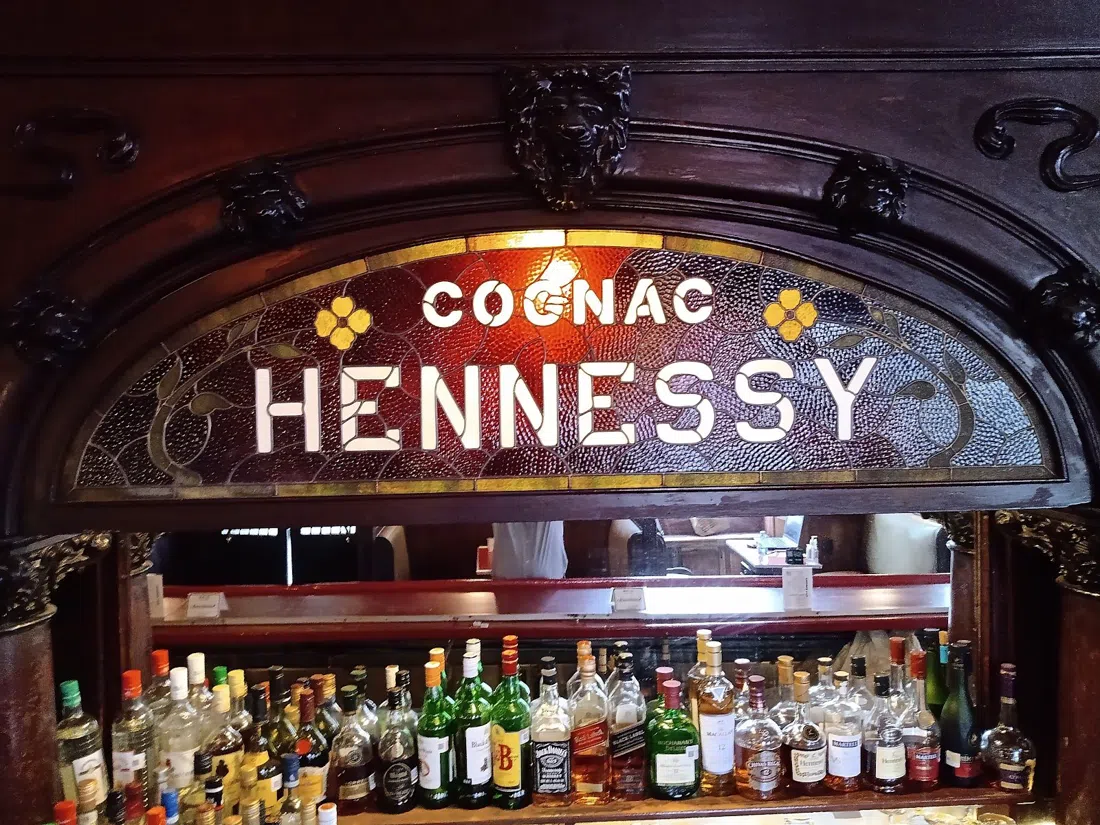
El Gallo de Oro (Centro Histórico) has been open since 1874, making it one of the earliest licensed cantinas in the capital and, notably, a genuine literary haunt rather than a manufactured one — a useful contrast if you're also stopping at the more touristed rooms on this list. It's fine for small-to-mid groups but fills fast and doesn't run on a reservations culture, so arrive before the room does. Budget $, roughly 150–250 MXN per person.
Centro's Showpieces
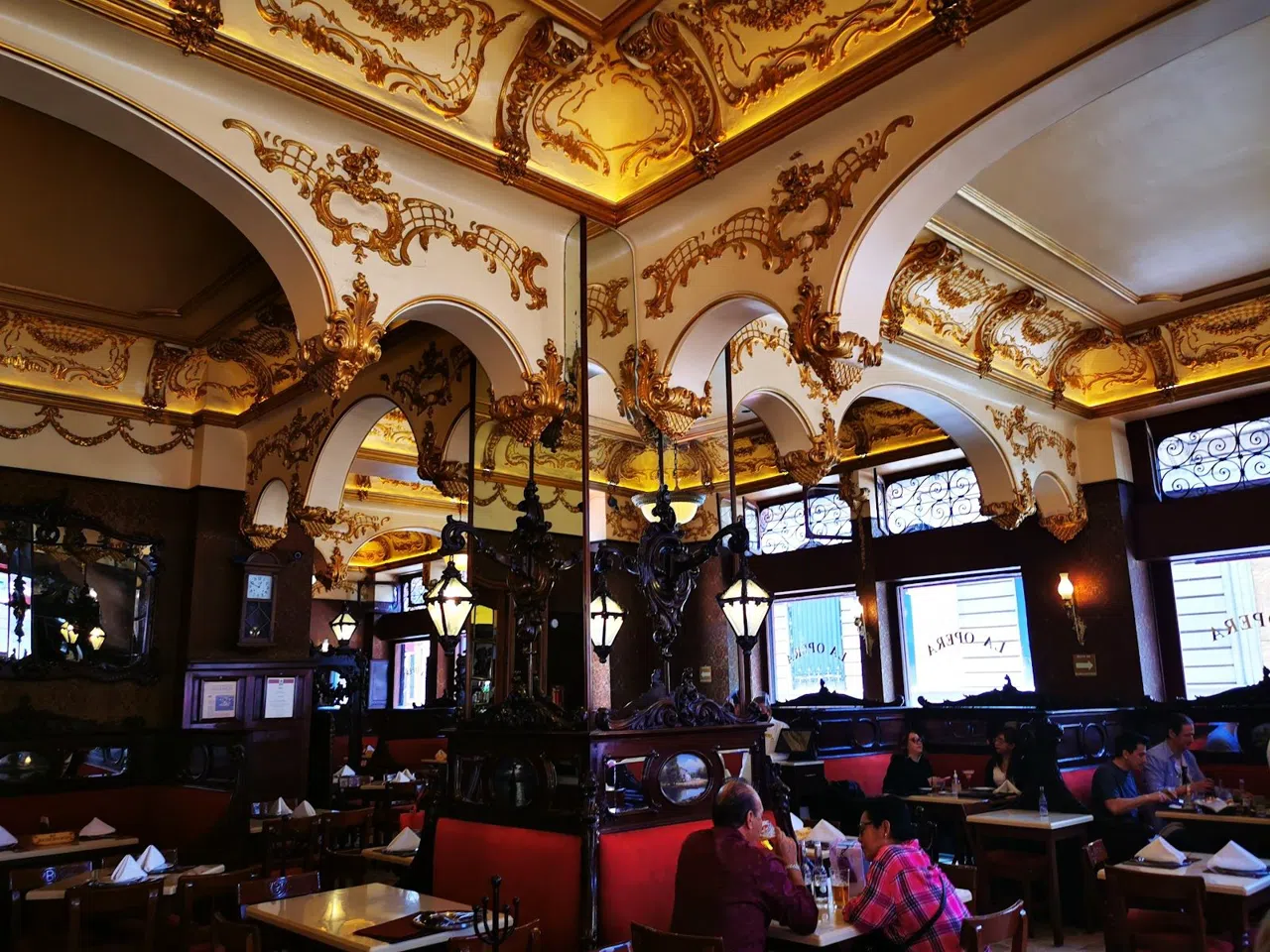
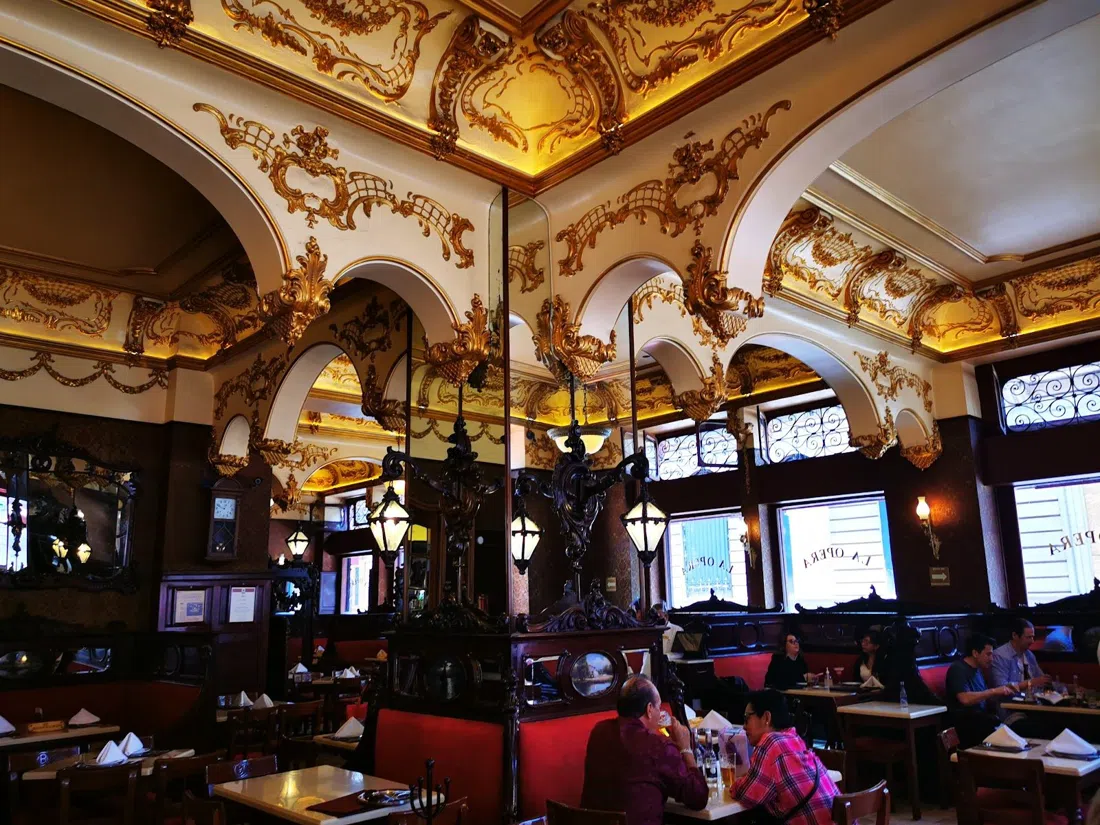
Bar La Ópera (Centro Histórico) is the best-known survivor of the genre — founded in 1876 and moved to its current Centro address in 1895 — and it's the single safest stop for a reader who only has time for one cantina in the whole trip. It takes both groups and walk-ins with no strict door policy, though peak lunch and dinner hours bring a real wait, so either go early or be ready to stand at the bar. It sits at $$, with mains and drinks running roughly 250–450 MXN per person, a step up from the dive cantinas but still far from expensive.
Bar Mancera (Centro Histórico) has been trading since 1912 out of a mid-19th-century mansion, and it plays at the more upscale, quieter end of the cantina spectrum — a useful pick for a reader who wants the patina without the noise of a dive. It takes groups comfortably. Prices run $$, around 250–400 MXN per person.
Built for a Crowd
Three rooms on this list are explicitly designed to absorb a big, loud group without anyone waiting on a reservation.
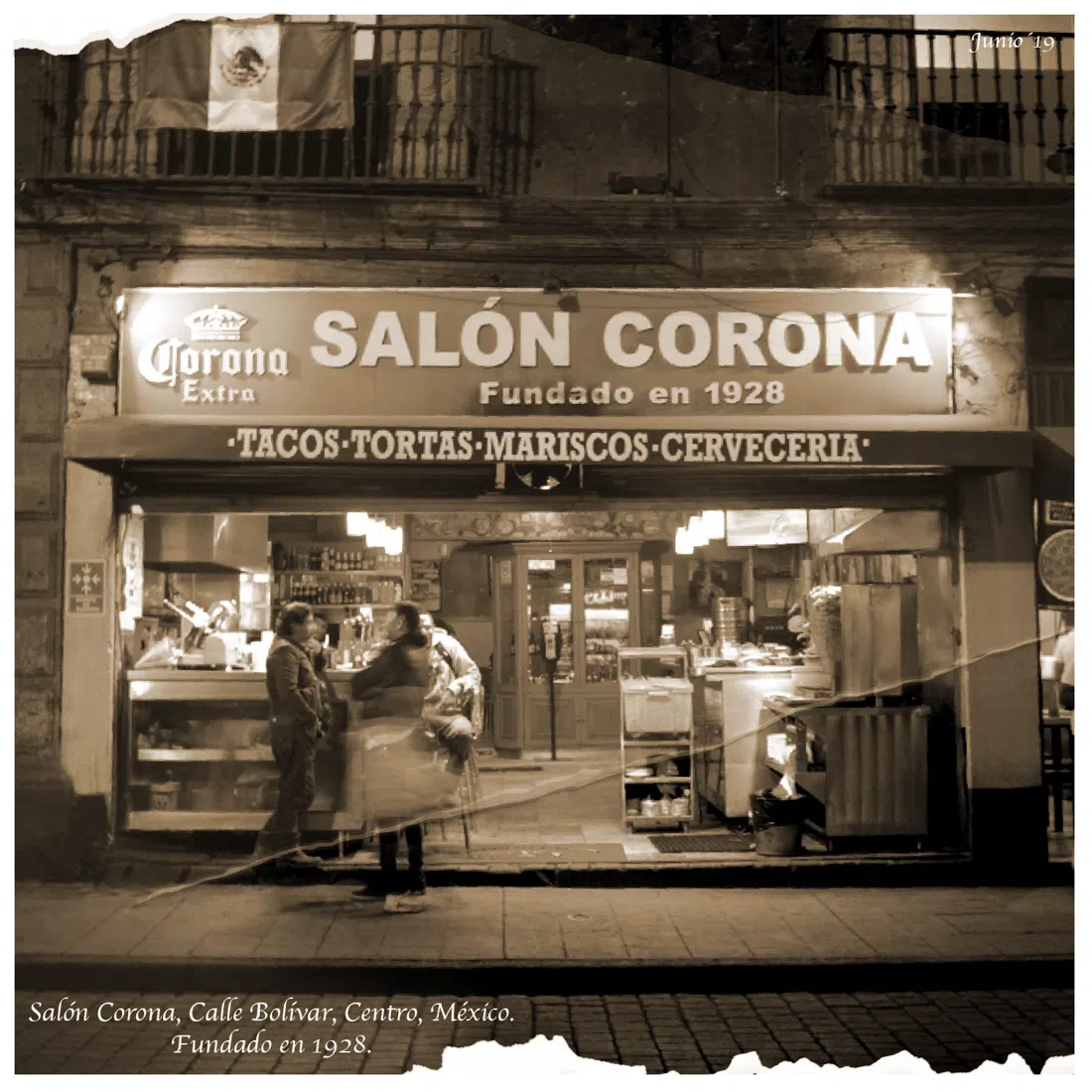
Salón Corona (Bolívar) (Centro Histórico) is the flagship branch of a chain that began in 1928 selling stewed-taco tortas before adding barrel beer to the menu — use this original Centro address specifically, not the newer branches scattered around the city, since the history and the room only belong to this one. It runs no reservations and a come-as-you-are ethos built for turnover, making it one of the easiest group bookings on this list. Budget $, with draft beer and tacos de guisado running 150–250 MXN per person.
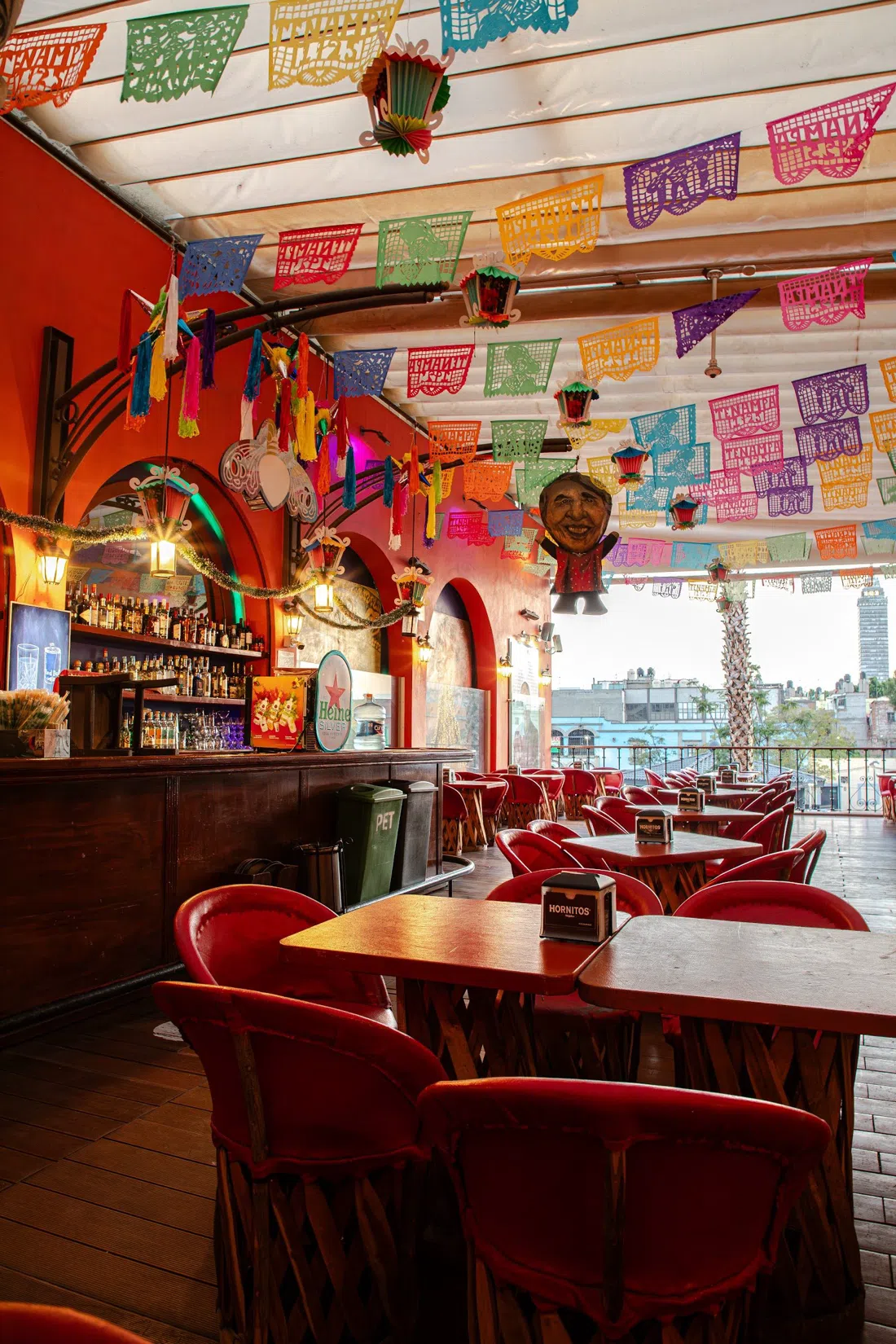
Salón Tenampa (Garibaldi) has been open since 1925 and is, more or less, the birthplace of the mariachi-and-cantina culture that defines Plaza Garibaldi today. It's loud, festive, and genuinely built for celebrations and groups — but it's worth being honest that this is the touristy end of the genre, not a sawdust-floor dive, and the drinks-plus-optional-mariachi-song fees add up fast. Figure $$, roughly 250–500 MXN per person once you've tipped a band or two.
Cantina La India (Centro Histórico) is roughly a century old — it marked its centenary around 2015 — and it's explicitly spacious and group-friendly, with a late-night crowd and a jukebox culture that makes it one of the better options here if you're bringing more than four people. It's a $ room, around 150–250 MXN per person.
Roma Norte and the Neighborhood Rooms
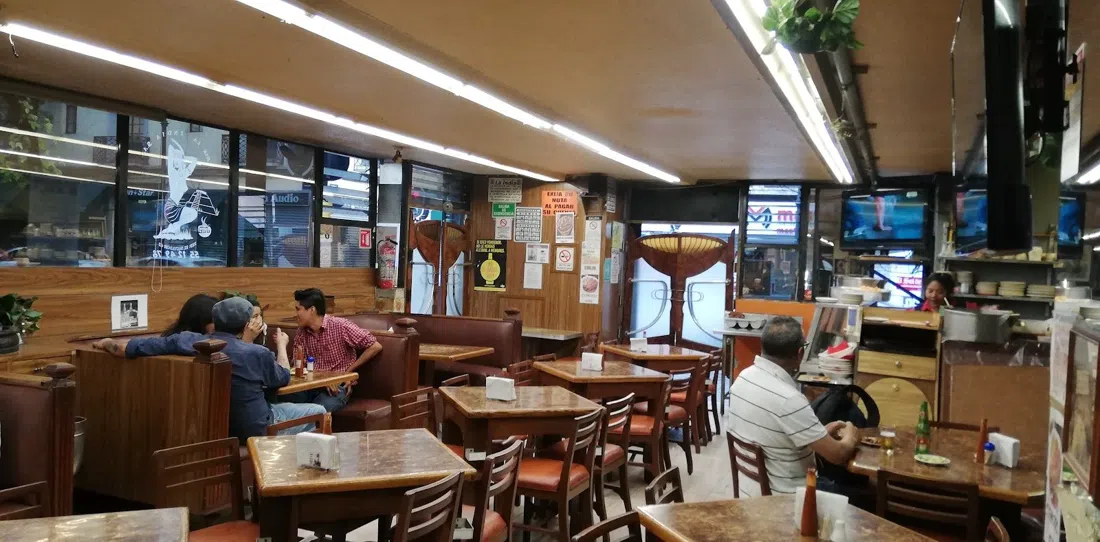
Cantina Covadonga (Roma Norte) is a Spanish-heritage cantina dating to the mid-20th century and Roma Norte's classic intellectual hangout, with a large open floor that handles groups well and domino tables that are the real draw for regulars — expect to see serious games in progress most nights. Worth flagging: the street entrance was recently redone, which has drawn some local grumbling about the change. It's a $ spot, roughly 150–250 MXN per person.
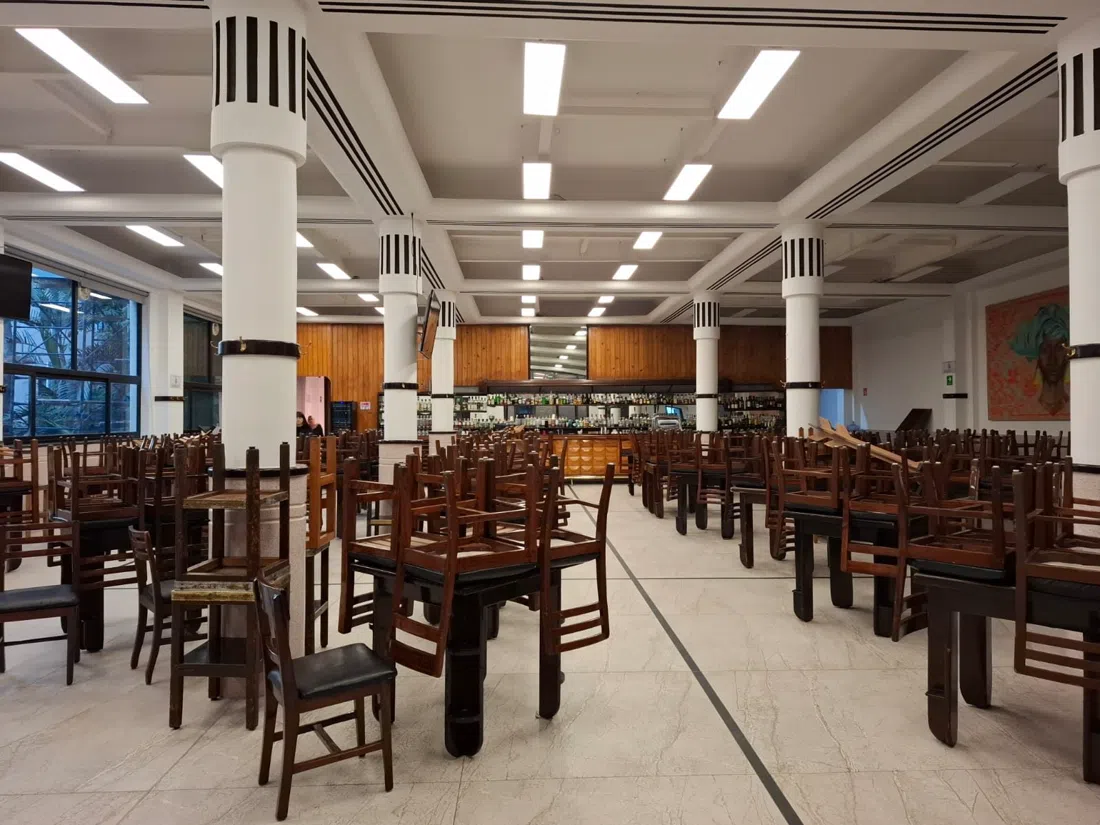
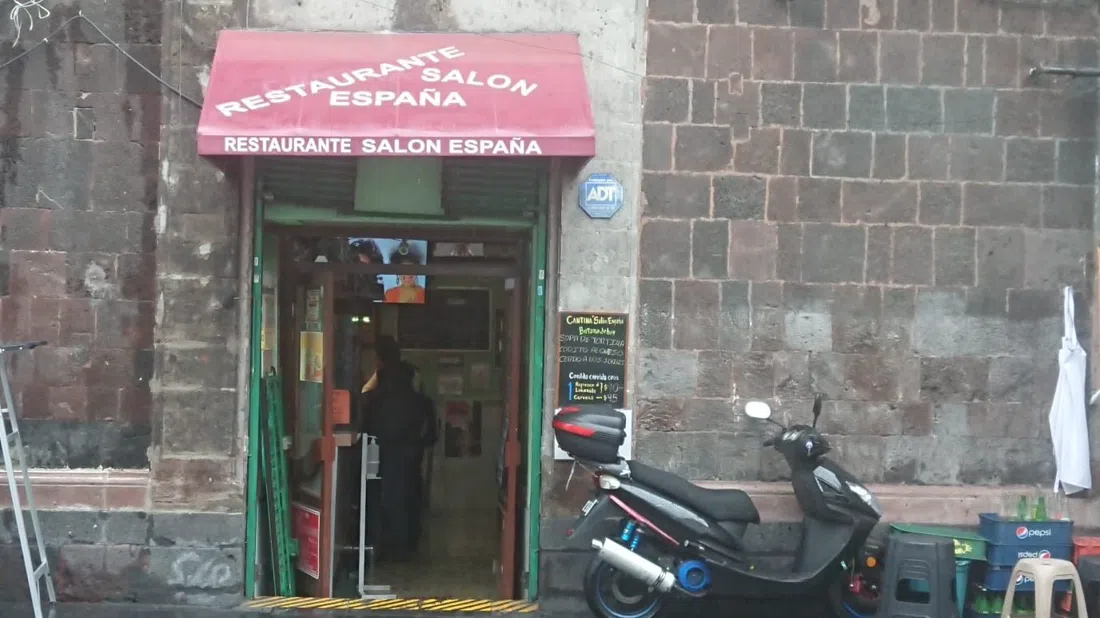
Cantina Salón España (Centro Histórico) has been trading since 1915 and is known specifically for the sheer volume of free botanas that arrive with a round — if you want to understand the free-botana etiquette that defines this whole genre, this is the room to do it in. Open daily and welcoming to groups, it runs $, around 150–250 MXN per person.
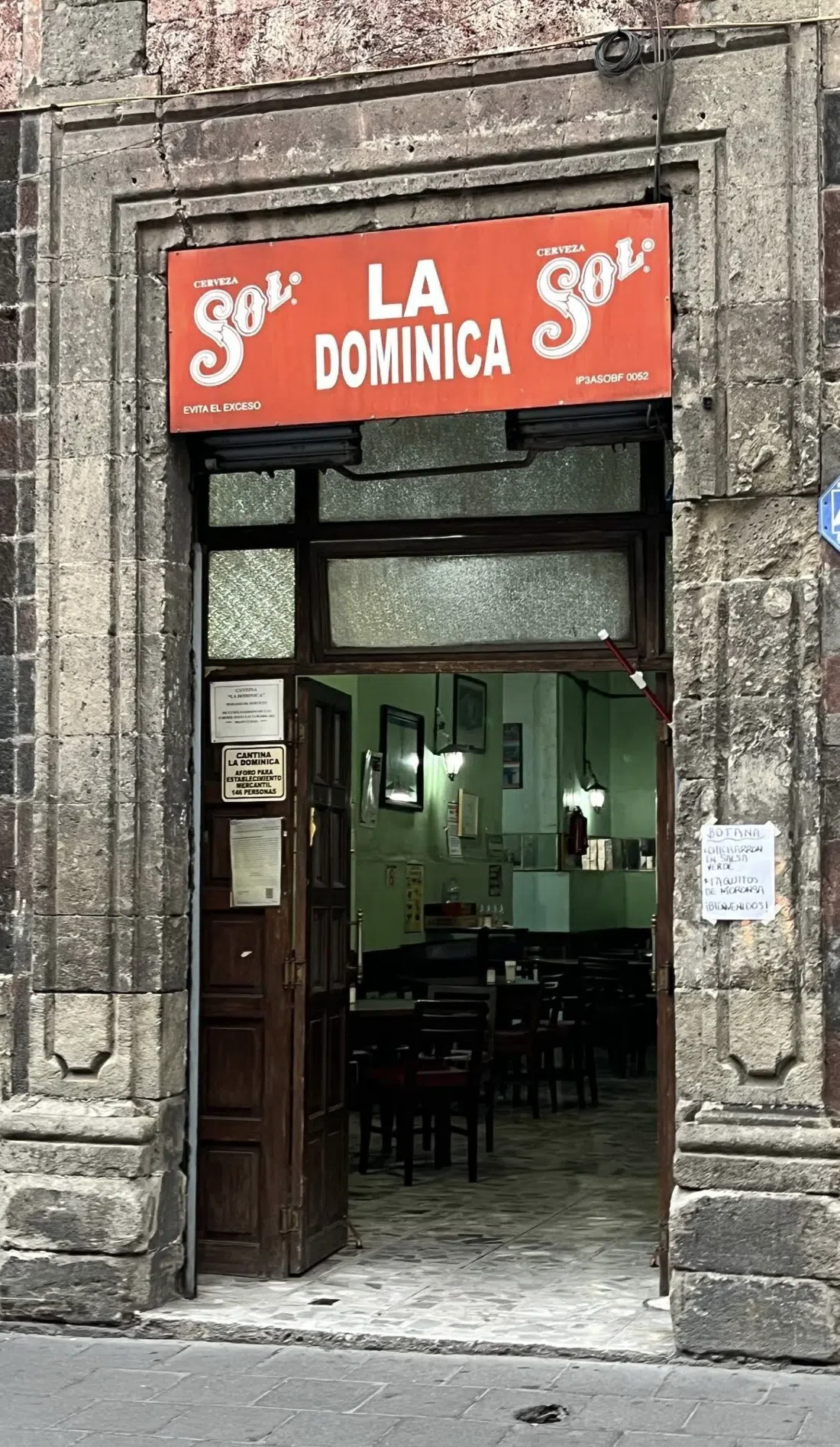
Cantina La Dominica (Centro Histórico, on its residential edge) has been running since the 1960s and is a casual, low-key neighborhood room — better suited to a couple of people catching up than a big party. It's the 'ordinary' cantina on this list, useful for balancing out the grander, more ornate rooms. Budget $, around 120–200 MXN per person.
La Potosina (Centro Histórico) has been open since 1890 and is the rawest, least tourist-polished room on this list — small rooms that suit a small-to-mid group better than a big one, and a genuine counterweight to the more polished cantinas above. One firm rule: it's cash only, which catches visitors out more often than any door policy does. Prices are $, roughly 100–200 MXN per person, cash in hand.
How the Cantina Actually Works
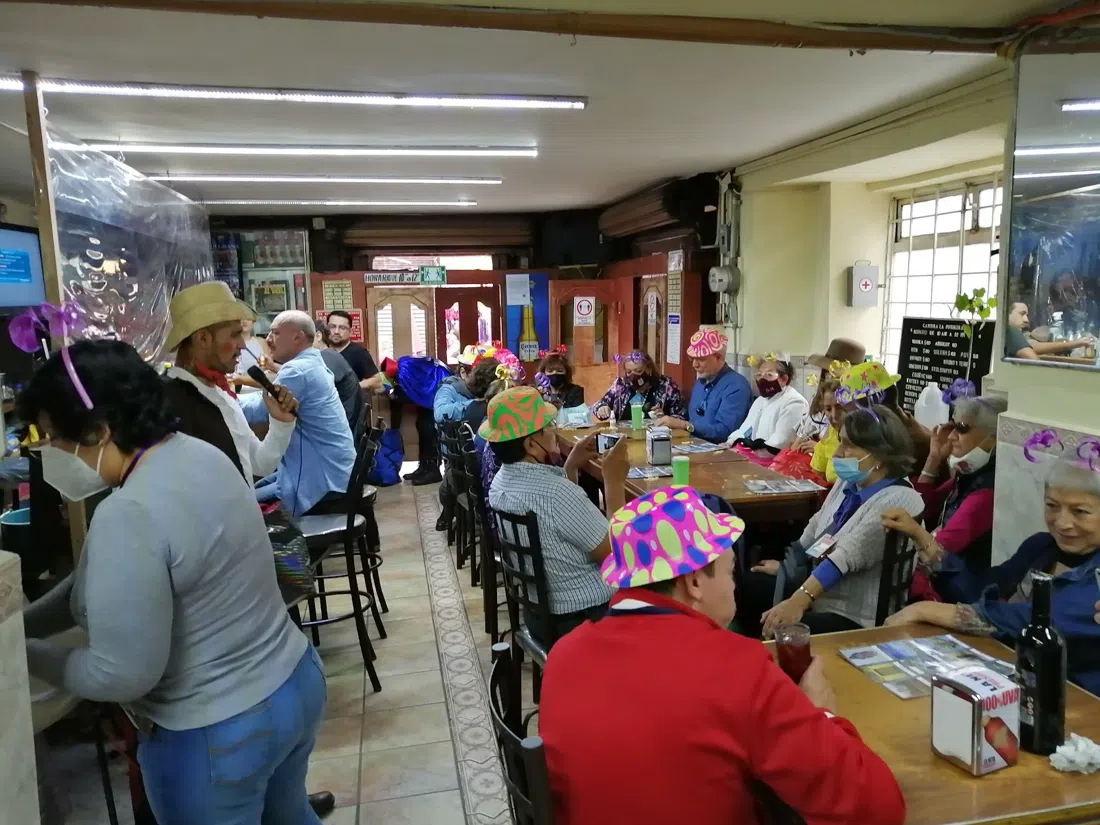
A few habits carry across almost every room on this list. Order a drink and a plate of something small usually shows up unbidden — that's the botana, and it's included in the price of the round, not a separate charge; more rounds generally mean more food, which is part of why cantinas remain some of the best-value eating and drinking in the Centro. Waiters in the older rooms tend to work fast and expect you to know what you want; don't expect a cocktail list. Groups are welcome almost everywhere on this list, but reservations culture barely exists — the exceptions where you might wait are the busiest lunch and dinner windows at Bar La Ópera. Tipping 10–15% on the final bill is standard.
Getting There, Timing, and Budget
Most of these cantinas cluster within walking distance of each other in the Centro Histórico, so a cantina crawl works well on foot once you're in the neighborhood; the Zócalo Metro station (Línea 2) puts you within a few blocks of most of them, and Salón Tenampa is a short ride further out at Plaza Garibaldi, reachable via Garibaldi–Lagunilla station on Línea 8 or B. Roma Norte's Cantina Covadonga is best reached by taxi, rideshare, or the Insurgentes/Metrobús corridor rather than on foot from the Centro.
Cash matters more here than in most of the city's newer bars — La Potosina is cash-only outright, and even where cards are accepted, tipping and rounding up is easier with pesos on hand. Midday and early evening are the classic cantina hours; several of these rooms have served lunch crowds since the 19th century, and arriving around 2–4pm or after 8pm tends to beat the worst of the queues at the busier spots. Budget-wise, a full afternoon or evening working through two or three cantinas — drinks, botanas, tips — typically lands well under 1,000 MXN per person, making this one of the better-value ways to spend a night out in the capital. For a wider view of what else is worth doing between rounds, see the Mexico City guide, and if you're planning to base yourself near the Centro for a cantina-focused stay, start with the Mexico City hotel search.